联系我们
填写以下表单联系我们

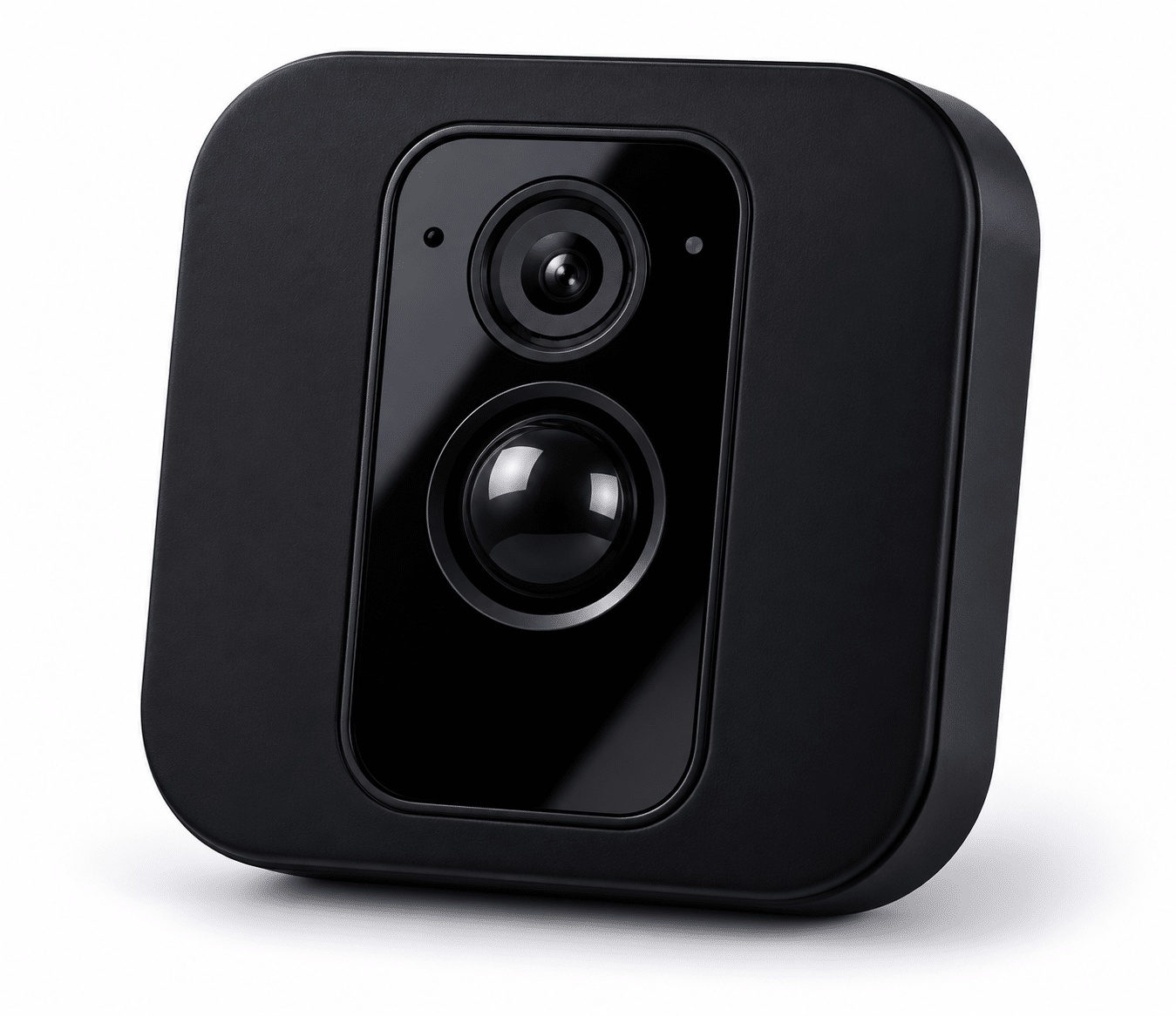
Why Are Infrared Transmitting Filters Usually Black? If you observe infrared cameras, smart sensors, and machine vision devices closely, you will find that most infrared transmitting filter windows appear black in visible light. This unique black appearance is not for aesthetic purposes alone; it is a professional optical design derived from precise spectral control, which serves the core working principle of infrared sensing systems.
The primary reason lies in the spectral requirements of infrared camera sensors. Most conventional infrared sensing devices operate at 850nm or 940nm infrared wavelengths, which are the core sensitive bands for photoelectric sensor induction. The internal CMOS and CCD image sensors can detect both visible light (400–700nm) and infrared light. Without effective optical filtering, strong visible light interference will cause sensor overexposure, color distortion, blurred imaging, and false triggering. Therefore, infrared transmitting filters are specially engineered to highly transmit target infrared signals while fully absorbing and blocking all visible light bands. When almost all visible light is absorbed by the filter material and no visible light is reflected back to the human eye, the optical window naturally presents a pure black appearance.
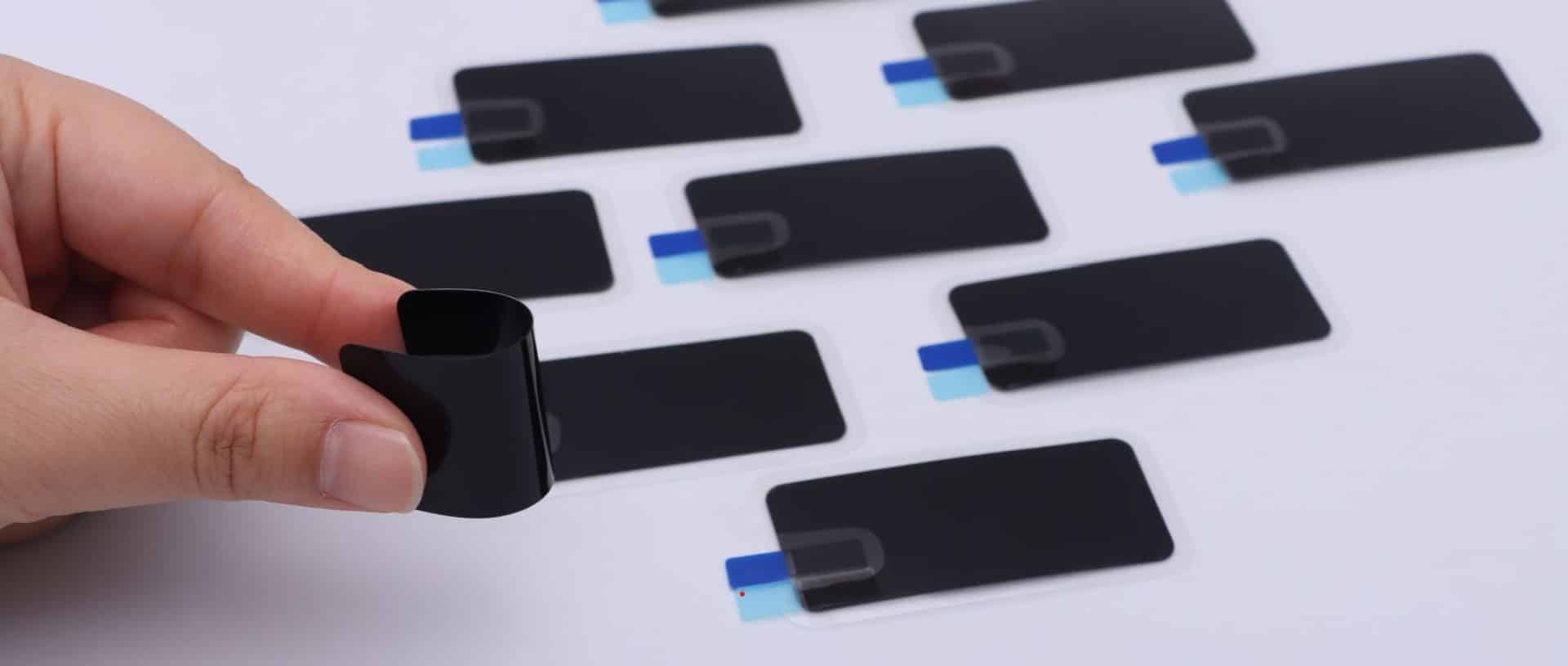
In addition to optical performance optimization, black infrared filters bring significant concealment and aesthetic advantages for smart device design. A black filter window effectively hides the internal lens structure, sensor components, and circuit layout of the camera. It prevents the internal optical path from being seen through naked eyes, realizing a hidden and integrated sensing design. Meanwhile, the unified black window tone perfectly matches the mainstream industrial and consumer product appearance styles, delivering a more concise, high-end, and consistent visual effect for infrared cameras, security monitors, and smart sensing equipment.
Furthermore, black infrared filter materials provide reliable anti-aging protection for internal electronic components. Long-term irradiation of ultraviolet rays and strong visible light will gradually cause aging, attenuation, and performance degradation of internal chips, sensors, and structural materials. With excellent UV and visible light blocking capabilities, high-quality black IR filters isolate harmful short-wave light radiation, stabilize the internal working environment of optical modules, and effectively extend the overall service life of infrared sensing devices.
In conclusion, the black color of infrared transmitting filters is essentially a visual manifestation of precise spectral filtering technology. It balancesoptical accuracy, structural concealment, product aesthetics, and component protection, making it the standard optical solution for mainstream infrared cameras and smart sensing systems. As a professional manufacturer of custom infrared filters, Visualplas provides high-transmittance IR black filter films, sheets and customized optical windows with stable spectral consistency, supporting precision sensing and long-term stable operation of various machine vision and smart home devices.
Please contact us, and we will respond to you shortly.
Contact UsInfrared Optics for Smart Sensing
Copyright ©2026 Visualplas Technology
